Innovative Sensors Driving Fluid Power Technology
Fluid power systems, enhanced by sensors, use pressurized fluids to drive industrial applications from manufacturing to heavy machinery
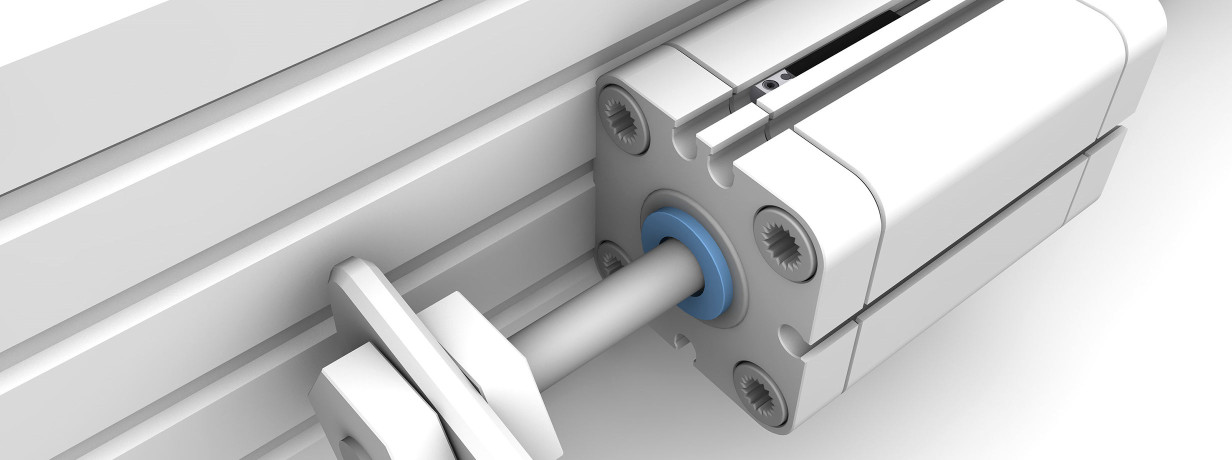
Reading Time: minutes
Fluid power technology is increasingly crucial in various industrial applications – from manufacturing to heavy machinery. When combined with sensors, fluid power systems use pressurized fluids (liquids or gases) to generate, control, and transmit power. Sensors enhance these systems by monitoring key variables such as pressure, flow rate, and temperature, ensuring precision, safety, and efficiency in mechanical systems.
The growing demand for improved efficiency is driving the adoption of innovative sensor technologies, modernizing and optimizing fluid power systems. Here, I explore various sensor types and their transformative applications in fluid power technology.
Pressure sensors for maintaining optimal pressure
Pressure sensors are critical in maintaining hydraulic and pneumatic pressures within optimal operating ranges. Advanced pressure sensors monitor and transmit real-time data to control systems, allowing for immediate corrective actions when deviations occur. This technology helps reduce downtime, improve safety enhancement, and optimize system performance. Common applications for pressure sensors include hydraulic presses and injection molding machines.
Position sensors to ensure precision
High-precision feedback is essential for monitoring the position of moving parts within hydraulic and pneumatic cylinders. Position sensors are classified into two types: continuous and discrete. Continuous position sensors provide real-time position feedback throughout the entire cylinder stroke, enabling smooth and precise control. In contrast, discrete sensors typically indicate end-of-stroke, signaling when the cylinder has reached its limit. Magnetostrictive linear transducers, which operate without contact, minimize wear and extend the sensor’s service life. Position sensors improve control and automation in applications such as CNC machinery and robotics.
Temperature sensors for protecting system performance
Temperature fluctuation can significantly affect the performance and safety of fluid power systems. Temperature sensors monitor the temperature of hydraulic fluid or air, preventing overheating and ensuring systems operate within safe parameters. Integrating temperature sensors in hydraulic systems helps prevent fluid degradation, maintains efficiency and system reliability, and prolongs the component’s life.
Flow sensors for optimizing control
Flow sensors measure the rate at which hydraulic fluid or compressed air flows through a system. These sensors play a crucial role in applications that require precise flow control, such as automated assembly lines, food processing equipment, and medical devices. By providing accurate flow data, they allow operators to adjust processes in real time, improving overall system responsiveness and efficiency.
Transforming operations with sensor integration
Integrating sensors into fluid power systems has revolutionized industrial maintenance and operations. With sensors, companies can achieve greater efficiency and automate processes more effectively. This advancement reduces downtime, boosts productivity, and supports the development of intelligent machinery that can autonomously adapt to changing conditions, ultimately enhancing overall operational performance.