Radar sensors
Precision and reliability through modern radar technology
Precise measurement results with radar sensors
Radar sensors deliver precision and reliability – even in challenging environments. They provide stable measurement results regardless of light, dirt, moisture or temperature fluctuations, making them suitable for demanding industrial applications. Thanks to their powerful radar technology, radar sensors enable reliable measurements even where other sensor technologies reach their limits. Radar technology is suitable not only for object detection and distance measurement, but also for reliable, non-contact level monitoring of liquids and bulk materials.
Our portfolio of radar sensors
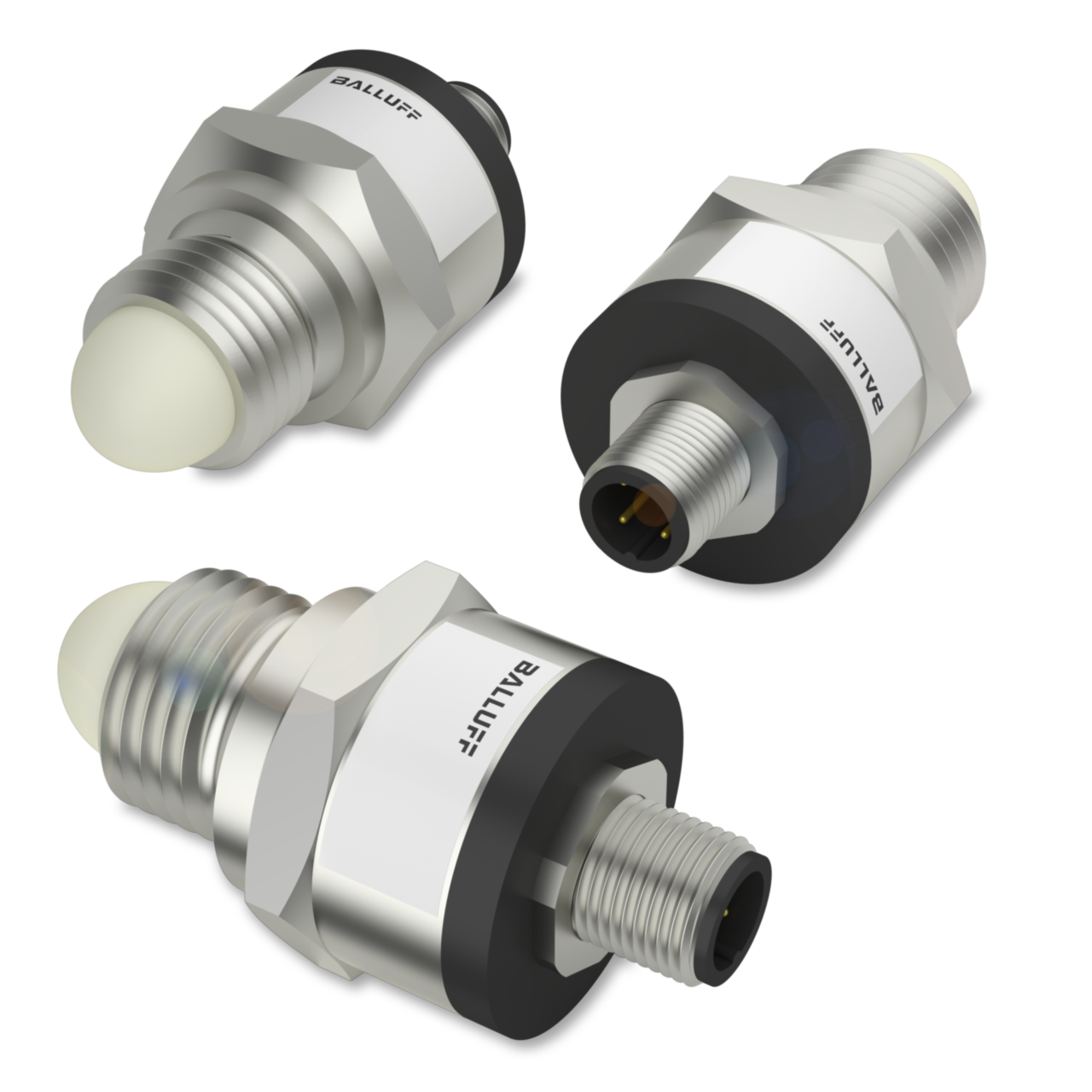
Radar sensors for non-contact level measurement
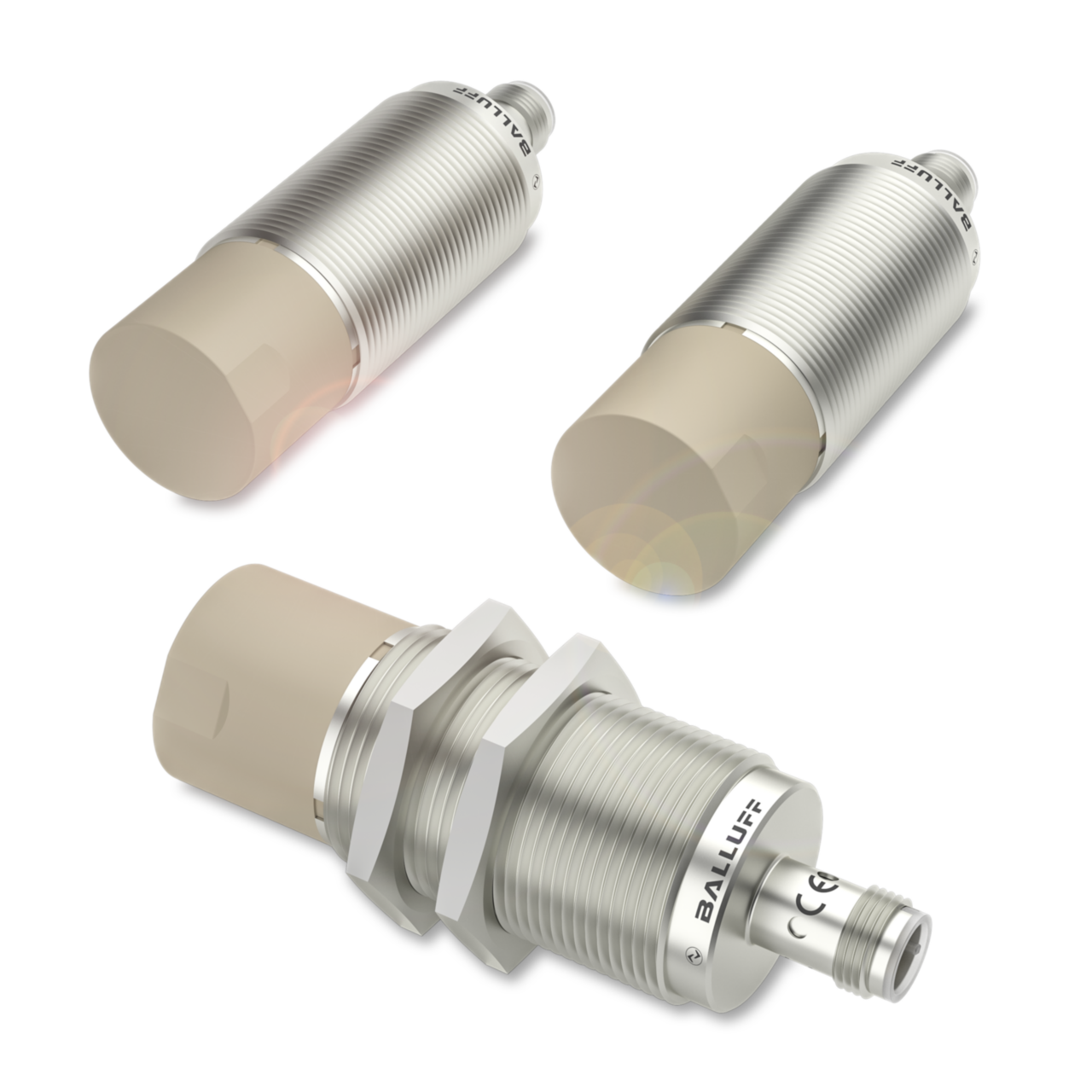
Radar Sensors for Object Detection and Distance Measurement
Long range and precise resolution
Radar sensors reliably and precisely detect objects, liquids and bulk materials, even over long distances. Thanks to their precise resolution, they enable accurate distance and level measurements, even in demanding applications.
Very fast response times
With high measurement frequencies and response times in the millisecond range, radar sensors are ideal for object detection and distance measurement in dynamic processes. They reliably detect fast-moving objects in real time.
Stable measurement results
Stable and precise measurement is crucial when monitoring levels in tanks and containers. That is why the radar sensor for level measurement is optimized to provide steady, reliable process values.
Resistant to environmental conditions
Dust, fog, steam, drafts or contamination do not impair functionality. Radar sensors operate independently of lighting conditions and provide stable results even in harsh industrial environments and when monitoring levels in tanks or containers.
Reliable where optical sensors reach their limits
Optical sensors are sensitive to contamination, ambient light and surface characteristics. Radar sensors, by contrast, operate reliably regardless of darkness, sunlight, dust or transparent materials. This makes them the robust alternative when optical solutions are insufficient.
Faster and more stable than ultrasound
Ultrasonic sensors deliver good results in many applications, but have comparatively slow response times and are susceptible to interference from moisture or drafts. Radar sensors offer measurement frequencies of up to 1000 Hz and deliver accurate results even under challenging conditions.
Greater process reliability through signal quality
Radar sensors output not only measurement results but also information about signal quality. Users can immediately assess how reliable a signal is – a decisive advantage for critical applications.
The benefits of radar sensors at a glance
- Suitable for object detection, distance measurement and level monitoring
- Resistant to dust, dirt, moisture, direct light, fog, steam and drafts
- Unaffected by magnetic or electric fields
- Reliable with transparent, reflective or hot objects
- Non-contact measurement of liquids and bulk materials
- Interference-free parallel operation of multiple sensors
- Measurements through materials such as glass or plastic
- Signal quality display for maximum process reliability
Radar sensor application areas
Radar sensors are versatile and offer benefits in numerous areas of factory and process automation. Whether used for object detection, distance measurement or level monitoring, radar sensors ensure maximum process reliability and plant availability.
Overview of typical applications
-
Distance measurement:
e.g. for film and foil rolls or lifting movements -
High-speed object detection:
for example when filling bottles or in high-speed conveyor systems -
Objects with challenging surfaces:
reliable detection of challenging surfaces such as tires, glass, reflective metals or transparent materials -
Position monitoring:
precise monitoring of tools, components or machine movements -
Level monitoring in tanks:
e.g. for continuous level measurement in storage, supply or process tanks. -
Monitoring IBC containers:
e.g. for reliable inventory monitoring of liquids in transport and storage containers. -
Bulk material silos:
e.g. for non-contact level measurement of powders, granulates and other bulk materials.
Expertise and advice – contact us
Our team of experts is here to provide advice and support. If you are unsure which sensor is best suited to your requirements, we will be happy to assist you.You may also be interested in these topics
Here you will find more engaging content, related topics and useful information that may be of interest to you.